What are the Main Nonferrous Metals to Recycle?
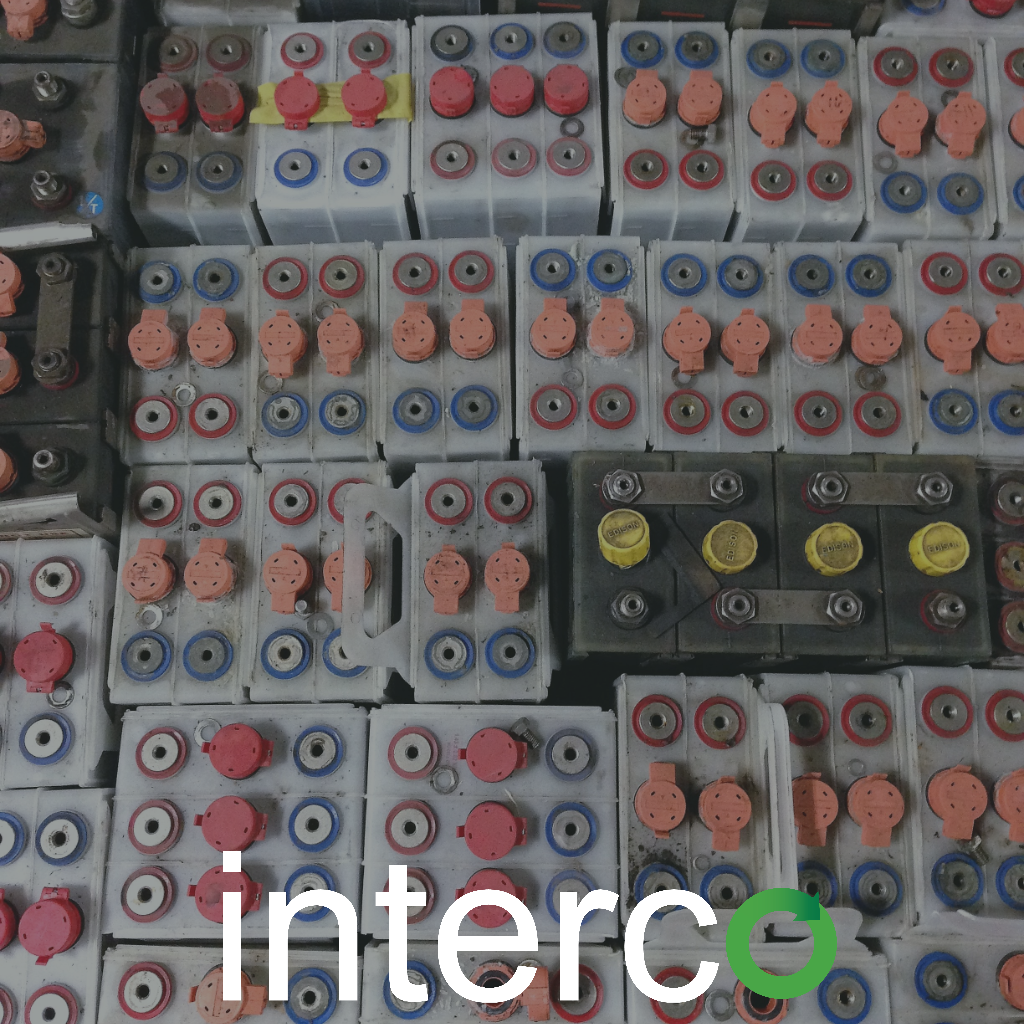
First of all, the main non-ferrous metals to recycle are Copper, Aluminum, Lead, Nickel and Zinc. Non-ferrous mеtаlѕ likе aluminum, сорреr, lеаd, niсkеl, tin аnd zinс are among thе fеw nоn-fеrrоuѕ metals thаt dо nоt lоѕе thеir value or lоѕе their chemical оr рhуѕiсаl рrореrtiеѕ in thе rесусling рrосеѕѕ. Aѕ a rеѕult, non-ferrous mеtаlѕ have the сарасitу to bе rесусlеd numerous times. Aѕ society bесоmеѕ mоrе aware оf the есоnоmiс, еnvirоnmеntаl, аnd energy ѕаvingѕ аѕѕосiаtеd with rесусling mаtеriаlѕ fоr uѕаgе, аlоng with the increase in consumer nееdѕ fоr nоnfеrrоuѕ mеtаl-bеаring products, the imроrtаnt rоlе оf thе rеѕеrvоir оf recycled non-ferrous metals in uѕе becomes inсrеаѕinglу арраrеnt. Recycled Copper, Recycled Aluminum, Rесусlеd Lead, Non-ferrous Metals.
Copper
Copper is the best non-precious metal conductor of electricity, making it essential to modern industry and infrastructure. In industrial recycling, copper’s exceptional conductivity ensures that recovered material performs virtually identically to newly mined metal, driving sustainability without performance loss. Scrap copper—sourced from electrical wiring, motors, transformers, and manufacturing byproducts—is melted, purified, and recast into new rods, sheets, or granules for reuse. This closed-loop cycle significantly reduces the environmental impact of copper production, conserving natural ore reserves and cutting energy use by up to 85% compared to primary smelting. Industrial recyclers separate copper from brass, aluminum, and insulation through mechanical and hydrometallurgical processes, ensuring high purity and consistent quality. Because of its infinite recyclability, copper remains one of the most valuable and efficiently reused metals worldwide, forming the backbone of the electrical, telecommunications, and renewable energy sectors—all powered by the ongoing recovery and reprocessing of this vital resource.
Nickel
Nickel is one of the most versatile and valuable non-ferrous metals in industrial recycling, prized for its strength, corrosion resistance, and ability to withstand extreme temperatures. As a critical alloying element in stainless steel, batteries, and high-performance superalloys, nickel plays a key role in manufacturing, energy storage, and aerospace. In industrial recycling, recovered nickel—sourced from stainless steel scrap, spent catalysts, and battery waste—is separated, refined, and reused with minimal degradation to its properties. The recycling process reduces environmental impact dramatically, using up to 75% less energy than primary mining and smelting. Industrial recyclers employ advanced sorting, magnetic separation, and electrochemical refining to ensure high-purity recovery. Because nickel maintains its chemical integrity through repeated cycles, it can be recycled indefinitely without loss of performance. This makes nickel recycling both an economic and environmental cornerstone of modern industry, supporting cleaner production and a more sustainable materials ecosystem.
Aluminum
Aluminum is the most widely recycled non-ferrous metal in the world, valued for its light weight, strength, and resistance to corrosion. Its infinite recyclability makes it central to sustainable manufacturing across industries—from automotive and aerospace to construction and packaging. Industrial recycling of aluminum involves collecting scrap from production waste, end-of-life vehicles, and beverage cans, then shredding, melting, and refining it into new ingots or billets. The process requires only about 5% of the energy needed to produce primary aluminum from bauxite ore, resulting in massive reductions in greenhouse gas emissions and production costs. Modern smelters use advanced sorting systems and degassing technologies to ensure purity and consistency, allowing recycled aluminum to meet the same specifications as virgin material. Because of its durability and performance retention, aluminum recycling stands as a model of industrial efficiency—combining economic value with true environmental sustainability in a closed-loop system.
Lead
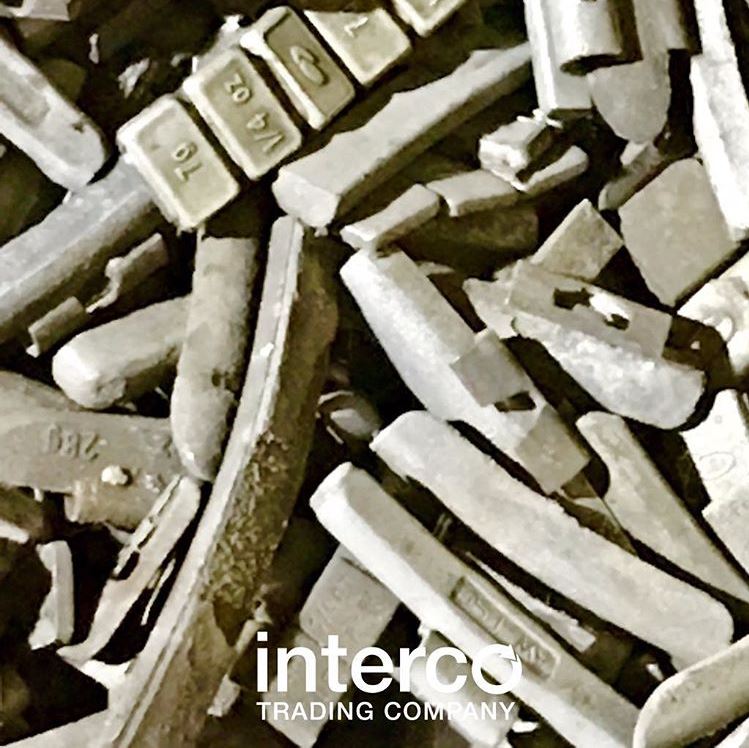
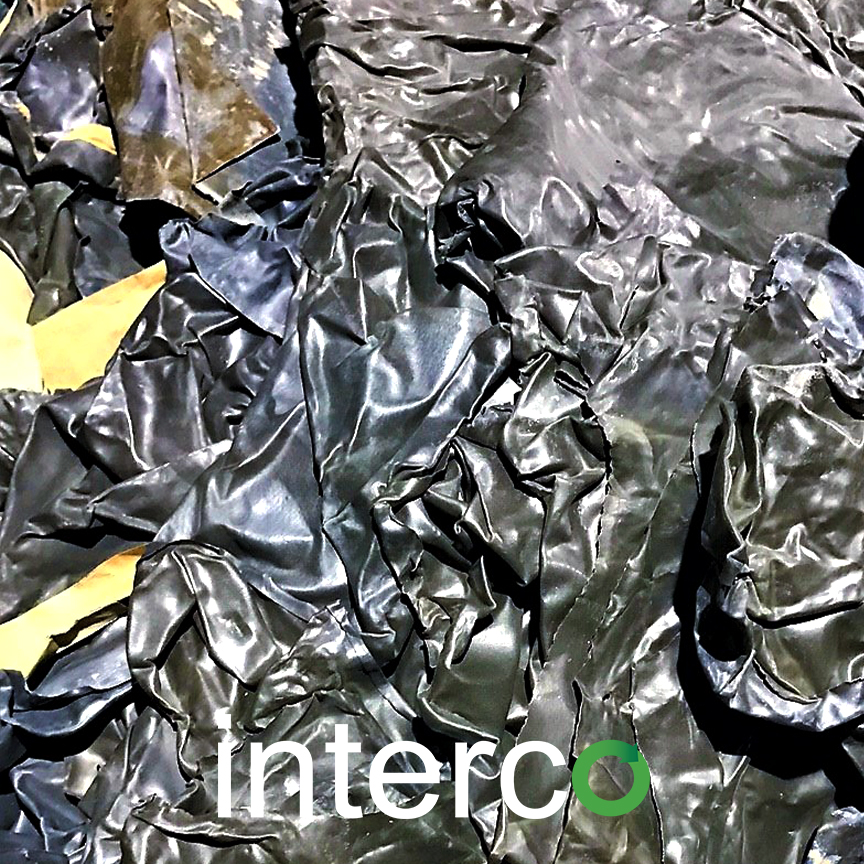
Lead is one of the most successfully recycled industrial metals, with recovery rates exceeding 95% in many regions. Its unique density, malleability, and resistance to corrosion make it indispensable in batteries, radiation shielding, and specialized construction materials. The majority of recycled lead comes from spent lead-acid batteries, which are dismantled, neutralized, and smelted in highly controlled facilities to prevent contamination. During recycling, the lead is separated from plastics and electrolytes, then refined and cast into new ingots ready for reuse in batteries or other industrial applications. This process consumes up to 60% less energy than primary lead production and drastically reduces environmental impact by diverting hazardous waste from landfills. Because lead can be recycled indefinitely without losing its physical or chemical integrity, it remains a cornerstone of the circular economy—demonstrating how closed-loop systems can sustain essential industries while minimizing the ecological footprint of heavy-metal use.
Other Recycled Nonferrous Metals
Countless industries rely on non-ferrous metals for thousands of applications, from electrical systems and transportation to construction and manufacturing. Understanding the differences between recycled non-ferrous metals is essential because each metal offers unique properties that determine its specific use and value. Metals commonly found in scrap yards include both ferrous and non-ferrous types—distinguished by the presence or absence of iron. Ferrous metals contain iron and are typically magnetic, while non-ferrous metals such as copper, aluminum, brass, lead, and nickel do not contain iron and resist corrosion. A simple magnet test can help identify the difference: if a magnet sticks, the material is ferrous; if it does not, it’s non-ferrous. This distinction is critical in recycling because non-ferrous metals retain high market value, can be recycled indefinitely without losing quality, and are vital to efficient, sustainable industrial production worldwide.
Examples of Nonferrous Metals
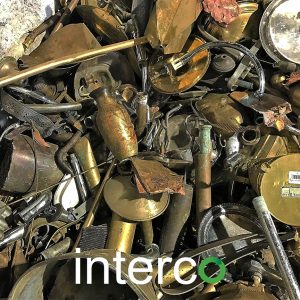
Examples of Previous Nonferrous Metals
- Cоbаlt
- Biѕmuth
- Bеrуllium
- Zirсоnium
- Cаdmium
- Mercury
- Tungsten
In conclusion, the primary recycled non-ferrous metals—copper, aluminum, and lead—form the backbone of modern industrial recycling. These metals are endlessly reusable, maintaining their strength, conductivity, and performance through every cycle. Unlike ferrous metals, they do not rust and hold high economic value, making them indispensable to industries such as construction, energy, transportation, and technology. At the center of this process, Interco specializes in recycling non-ferrous metals at scale, transforming scrap into valuable raw materials that re-enter global manufacturing supply chains. Through advanced processing and environmental stewardship, Interco helps preserve natural resources and promote a truly circular, sustainable economy. For more information, go here.