Recycling Nonferrous Scrap Metal
Nonferrous metals arrive at Interco in many forms—clean, mixed, contaminated, or embedded in assemblies. Rather than forcing these materials into rigid categories, the company evaluates each load for its highest-value recovery path.
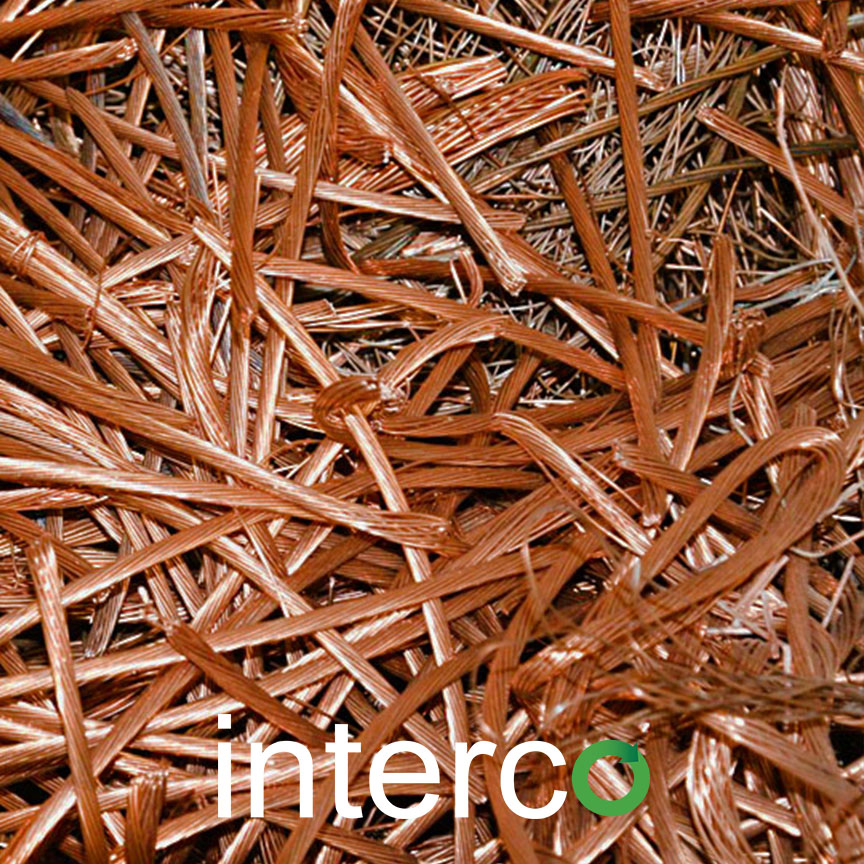
Types of Nonferrous Scrap Accepted include:
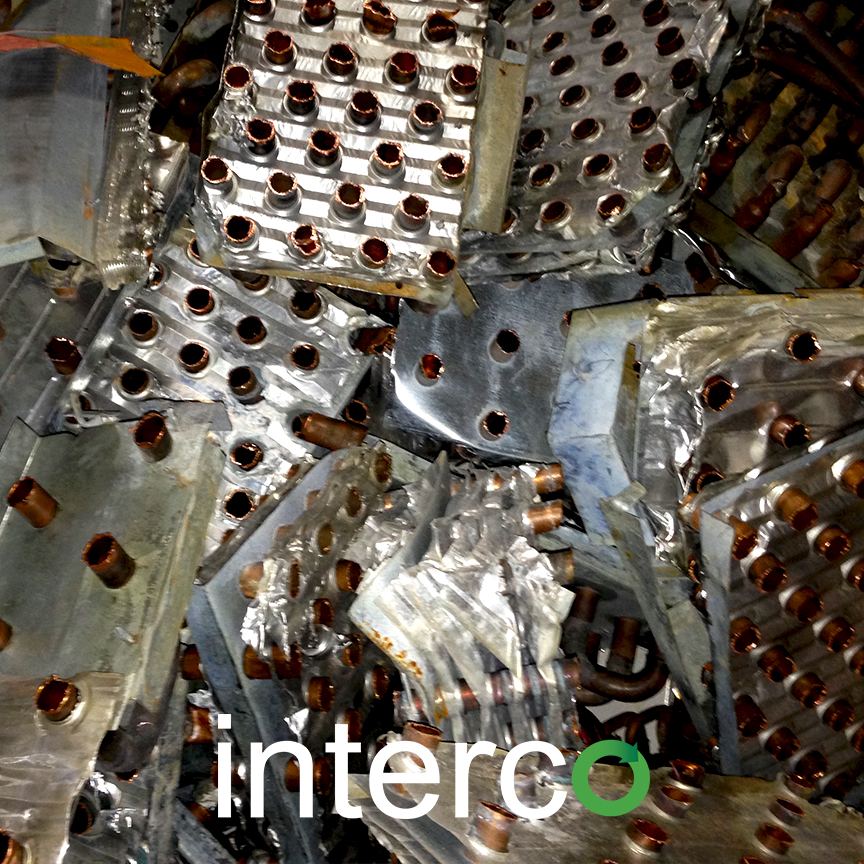
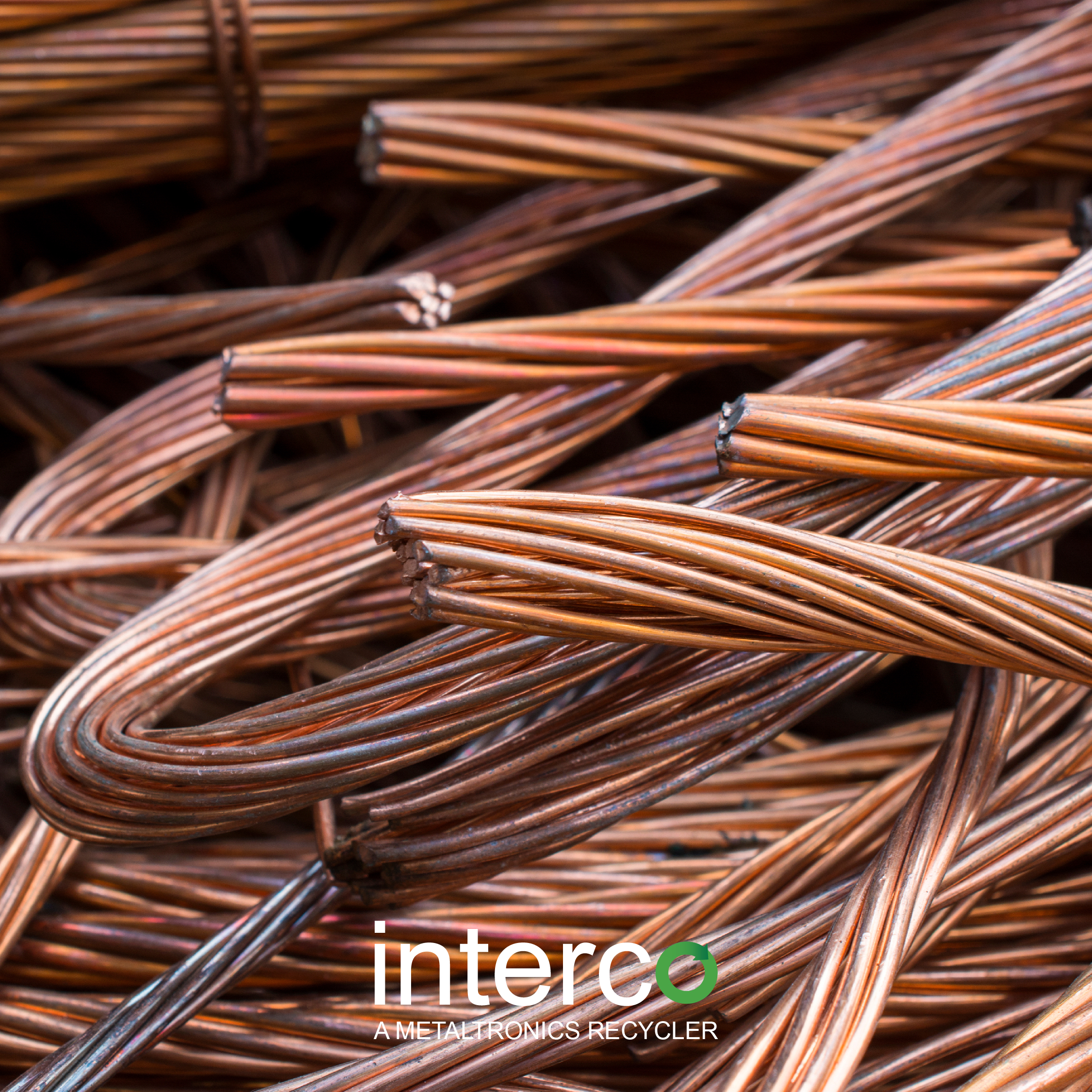
- Copper and brass materials coming in as solid forms, production shavings, covered wiring, cooling radiators, electrical utility parts, or taken-apart machinery elements.
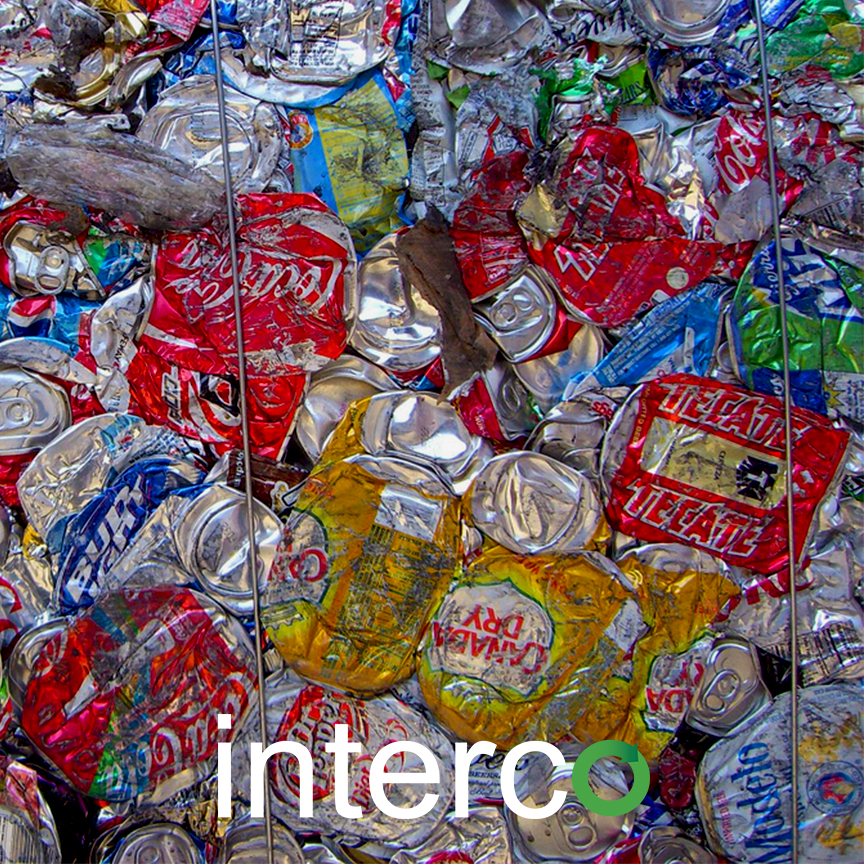
- Aluminum items presented as molded pieces, shaped extrusions, automobile rims, machining debris, exterior panels, thin sheets, or bulk factory leftovers.
- Stainless steel, zinc products, nickel-infused varieties, and specialty alloys managed via targeted methods to keep their elemental makeup intact.
- Incoming batches with assorted metal blends or connected non-metal pieces that call for complete disassembly and division.
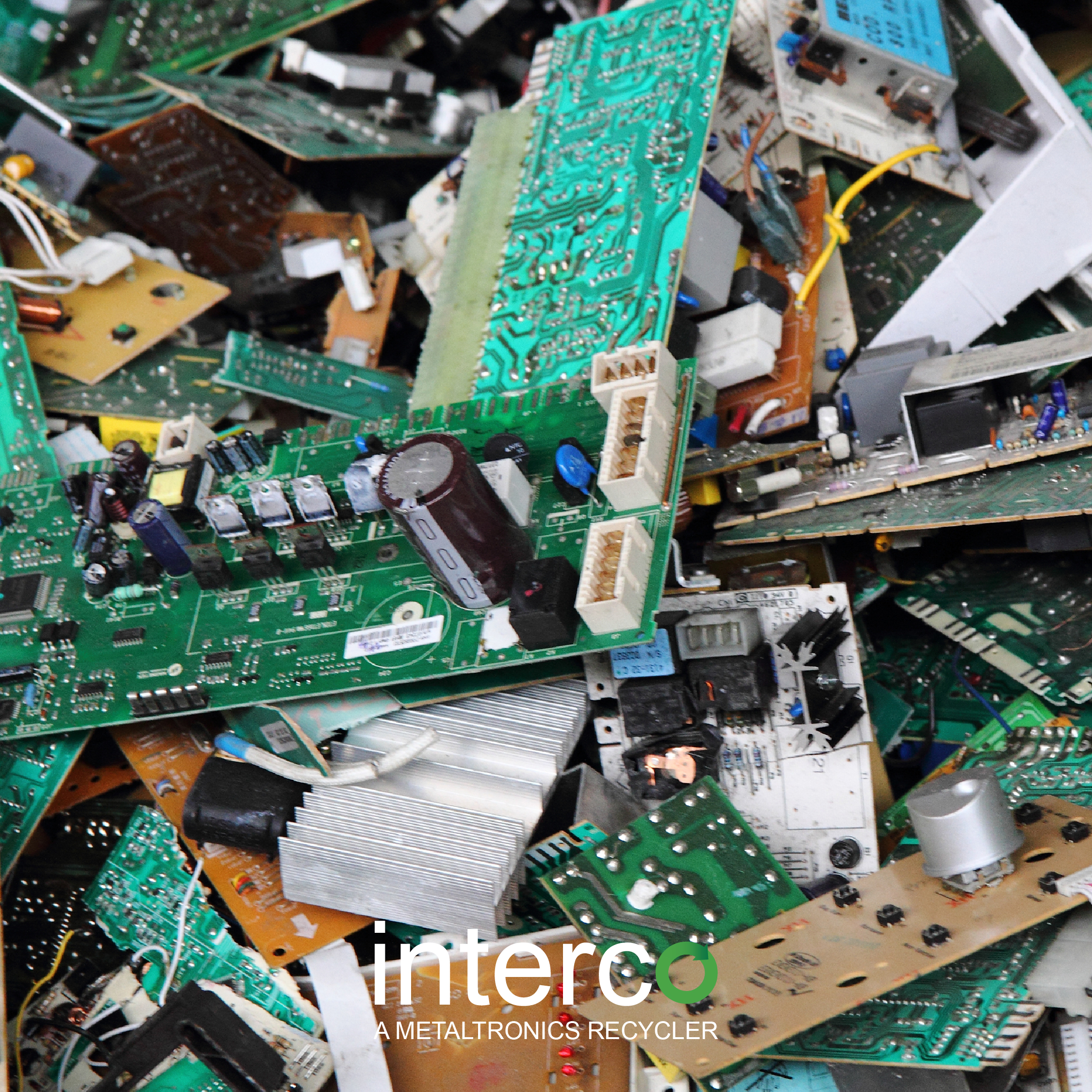
- Complex waste streams involving multiple metal types, integrated assemblies, or non-metal additions where precise recognition uncovers additional recoverable value.
Copper and brass may arrive as solids, turnings, insulated wire, radiators, utility components, or dismantled mechanical parts. Aluminum ranges from cast and extrusion to wheels, turnings, siding, foil, and high-volume manufacturing scrap. Stainless, zinc, nickel-bearing grades, and specialty alloys follow dedicated processes designed to preserve chemistry and meet downstream furnace expectations. Many loads contain combinations of metals or non-metallic attachments that require careful dismantling and separation.
Customized Processing Approaches
Interco handles this complexity with confidence. The processing teams understand how differences in alloy, form, or condition influence downstream recovery, so each material follows a preparation path tailored to its characteristics. A shipment of insulated wire is handled differently from a batch of aluminum turnings; a load of mixed copper components does not pass through the same workflow as clean brass solids. This strategic approach protects value for suppliers and ensures that consumers receive predictable, specification-grade inputs.
Essential Processing Methods include:
- Utilizing automated and manual procedures such as trimming, categorizing, clipping, fragmenting, compressing into bundles, shaping into blocks, or breaking materials down into particles to improve overall cleanliness and consistency.
- Adjusting handling sequences according to specific metal blends, physical formats, or current conditions to enhance recovery potential.
- Carrying out precise weighing, close inspection, and elemental assessment to determine optimal processing routes and reduce uncertainty in evaluations.
- Dividing items based on material category, melting behavior, equipment compatibility, and end-user requirements to ensure fair valuation and performance.
- Applying documented procedures and disciplined material management to control risks associated with contaminants or compositional variation.
The evaluation is not simply a visual review. Interco teams rely on experience that spans nearly three decades, supported by internal guidelines, technical documentation, and historical performance data. Metals are separated not only by type but by their behavior during melting, their compatibility with downstream processes, and their suitability for specific consumer requirements. This ensures that suppliers receive fair value and that consumers receive material that performs as expected.
Once materials enter the processing stage, Interco applies a range of mechanical and manual techniques to upgrade each component. These processes may involve cutting, sorting, shearing, shredding, baling, briquetting, or granulating depending on the metal and its intended use. Every step is designed to increase purity, reduce size variation, remove foreign material, and create a cleaner, more efficient feedstock for smelters and refiners. The focus remains the same: produce a uniform, high-quality product that meets or exceeds specification.
Key Advantages and Benefits
Interco quality standards are aligned with the expectations of global consumers who rely on consistency to maintain efficient operations. Smelters and refiners depend on metal that will melt cleanly, yield predictably, and integrate seamlessly into their production processes. Even small impurities or variations in chemistry can disrupt performance downstream. Interco mitigates these risks through internal checks, documented procedures, and a culture built around disciplined material handling.
This commitment to quality is supported by the company logistics capabilities. Interco manages thousands of domestic and international shipments each year through a team that functions more like a dedicated transportation division than a typical recycling department. The logistics team coordinates truckload, less-than-truckload, intermodal, rail, and containerized freight with a level of precision that minimizes delays, reduces dwell time, and increases overall efficiency for both suppliers and consumers. Having this capacity in-house eliminates common disruptions caused by third-party transportation and strengthens the company ability to control material movement from end to end.
The proprietary ERP platform amplifies this advantage. Developed specifically for metals and electronics recycling, the system captures every movement, weight, classification, and transaction in real time. Suppliers receive transparent documentation that reflects actual material conditions, and consumers gain confidence knowing that every load is tracked from receipt to shipment. The platform also supports compliance, inventory management, financial accuracy, and customized reporting requirements for customers who need detailed records for internal audits, sustainability reports, or regulatory filings.
Interco is particularly strong in handling mixed or difficult material streams that create challenges for traditional recyclers. Industrial operations often generate byproducts that contain multiple metals, mechanical components, or non-metallic elements. These materials may require dismantling, identification, or specialized separation techniques. Interco teams approach these loads with the understanding that value is rarely obvious at first glance. They break down complex assemblies, identify hidden alloys, and route each component into the correct workflow. This ability often allows suppliers to recover more value than they could through simpler or less sophisticated programs.
Benefits of Recycling Nonferrous Metals include:
- Cutting down on energy usage significantly compared with sourcing and refining metals from virgin ores.
- Advancing circular-economy objectives through responsible oversight and transparent downstream placement.
- Helping partners meet sustainability and environmental goals through adherence to regulations and safe operating practices.
- Delivering commercial reliability during commodity price fluctuations through long-standing relationships and a diversified consumer base.
- Building cooperative partnerships grounded in clear communication, active market monitoring, and consistent execution.
Logistics and Partnership Strategies
The company also excels in working with organizations that produce large or irregular volumes. Whether a supplier generates consistent material on a weekly schedule or must manage a one-time dismantling project, Interco scales its operations to fit the need. Large loads, recurring shipments, and multi-site collection programs are coordinated through the logistics team, while the processing division adapts workloads to ensure timely turnaround and quality preparation.
Environmental responsibility remains a central theme. Nonferrous metals such as copper and aluminum carry significant inherent value, but they also hold environmental significance due to the energy required to produce them from primary sources. Recycling these metals reduces energy consumption, supports circular economic goals, and helps organizations meet sustainability commitments. Interco supports these objectives with responsible handling, transparent downstream placement, and adherence to all applicable environmental and safety standards. Suppliers benefit from a recycling partner that protects their reputation and helps demonstrate measurable environmental progress.
From a commercial standpoint, Interco provides stability in a market that is often volatile. Commodity prices move, global demand shifts, and consumer requirements evolve, but Interco long-standing relationships and diversified customer base help mitigate risk. The commercial team follows global markets closely, aligns purchasing programs with current conditions, and communicates clearly with suppliers about opportunities, changes, and expectations. This creates a partnership model rather than a transactional one.
Executives evaluating partners in the nonferrous metals landscape look for reliability, operational depth, and the ability to deliver consistent results at scale. Interco has demonstrated these strengths since 1996. With an experienced workforce, advanced processing methods, a logistics department that sets a high standard for the industry, and a proprietary ERP system built for accuracy and transparency, the company offers a comprehensive, highly capable solution for organizations that require responsible and efficient management of nonferrous materials.
For suppliers, working with Interco means access to a partner that understands the true value of complex material streams, identifies opportunities for improved recovery, and manages the entire process—from pickup to payment—with professionalism and precision. For consumers, Interco provides reliable feedstock that meets exacting specifications, supported by quality controls that protect furnace performance and yield. Nonferrous metals are essential to infrastructure, manufacturing, transportation, and technology, and their importance continues to grow as global economies modernize and electrify. Organizations that depend on these materials require partners who can manage them responsibly, intelligently, and at scale. Interco delivers on that requirement with a level of capability and discipline that has set the company apart for decades.
Tagged:
Share Post: