Complex Alloy Scrap Recycling
Understanding the Challenges of Complex Alloy Scrap
Complex alloy scrap presents challenges that standard recycling operations are not designed to handle. These materials often contain multiple alloying elements, inconsistent chemistry, residual attachments, or mixed formats that make straightforward grading and placement difficult. Interco specializes in buying, processing, and placing these complex alloy streams by applying disciplined evaluation, metallurgical understanding, and controlled workflows that turn variability into predictable industrial inputs.
The ability to handle complex alloys is closely tied to how Interco was built. Managing variation, detail, and risk has been central to the business from the beginning. Complex alloys are rarely clean, homogeneous, or uniform, and they are often delivered as part of mixed inbound loads. The Interco operating model is designed to absorb that complexity without forcing suppliers to over-process material upstream or sacrifice value.
Structured Intake and Metallurgical Evaluation

Complex alloy scrap enters the system through structured intake and evaluation. Material is reviewed to determine alloy composition, recoverable value, processing requirements, and downstream suitability. This evaluation draws on metallurgical knowledge, historical data, and market awareness to identify the most effective preparation path for each alloy type. Early identification prevents contamination, preserves chemistry, and reduces the risk of rejection by downstream consumers.
Core Elements of Complex Alloy Intake Evaluation
- Review of alloy composition to determine chemistry and compatibility with downstream consumers.
- Assessment of recoverable value based on material content, form, and preparation level.
- Identification of processing requirements needed to isolate and prepare alloy streams correctly.
- Evaluation of downstream suitability to reduce placement risk and rejection.
- Early segregation decisions that prevent contamination and preserve metallurgical integrity.
- This structured intake process establishes control from the moment material arrives, ensuring that complexity is managed deliberately rather than reactively.
Controlled Processing for Alloy Separation and Preparation
Processing complex alloys requires more than mechanical separation. Interco applies a combination of manual dismantling, selective segregation, and controlled preparation to isolate distinct alloy streams. Assemblies are broken down, attachments are removed, and metals are graded according to chemistry and form. Different alloys move through different workflows based on their technical characteristics and end-use requirements. This discipline allows Interco to prepare material that meets the exacting specifications demanded by smelters, refiners, ingot producers, and mills.
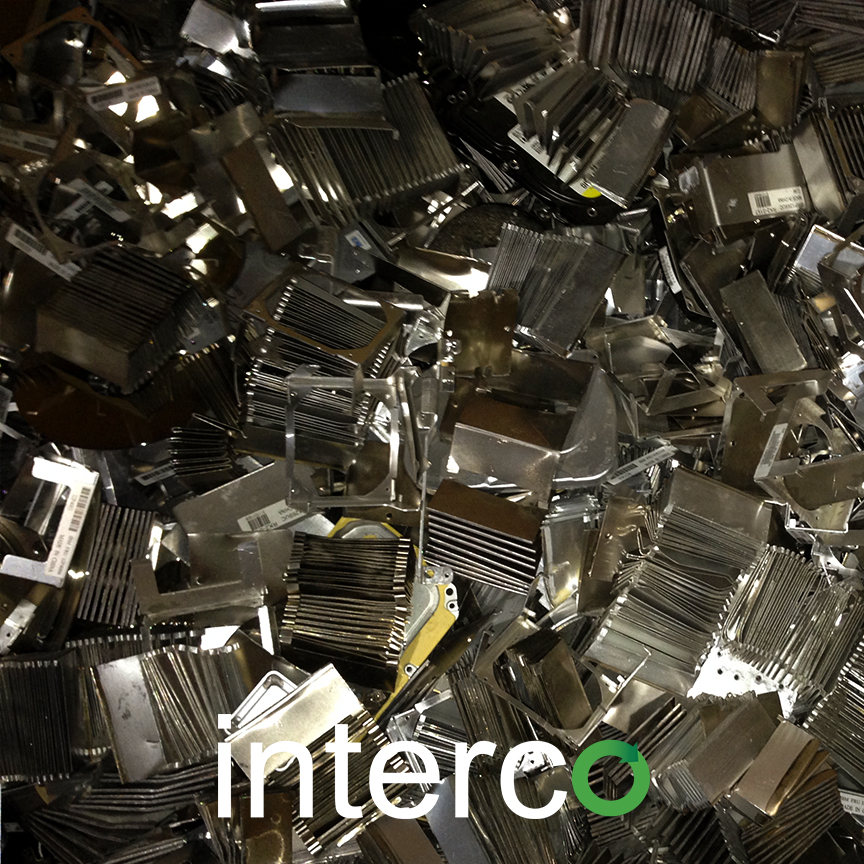
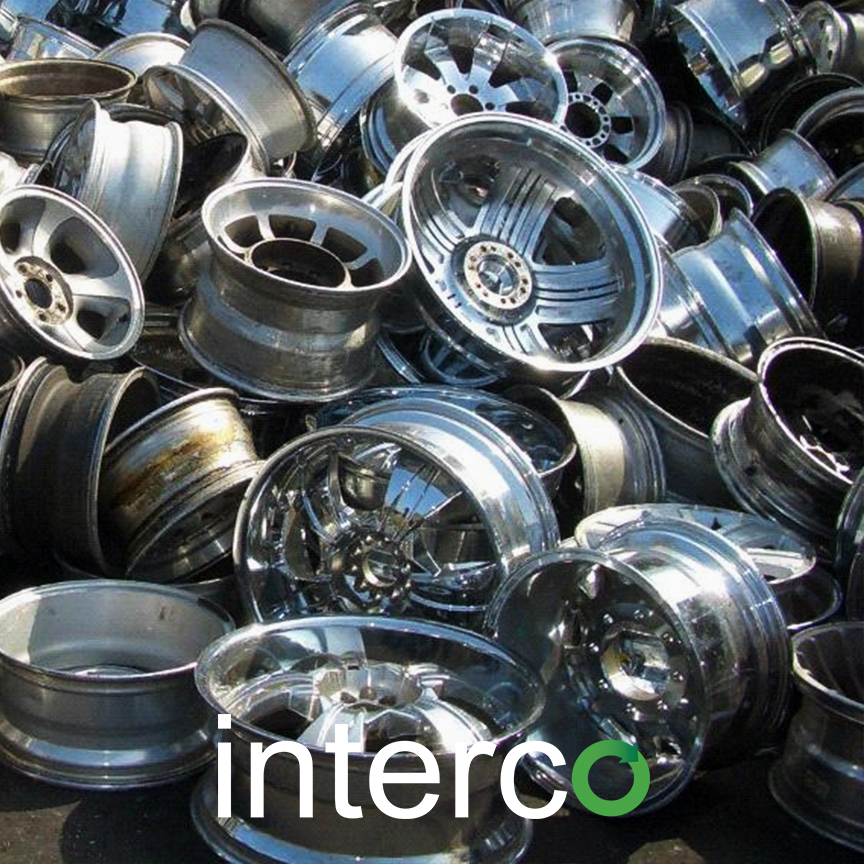
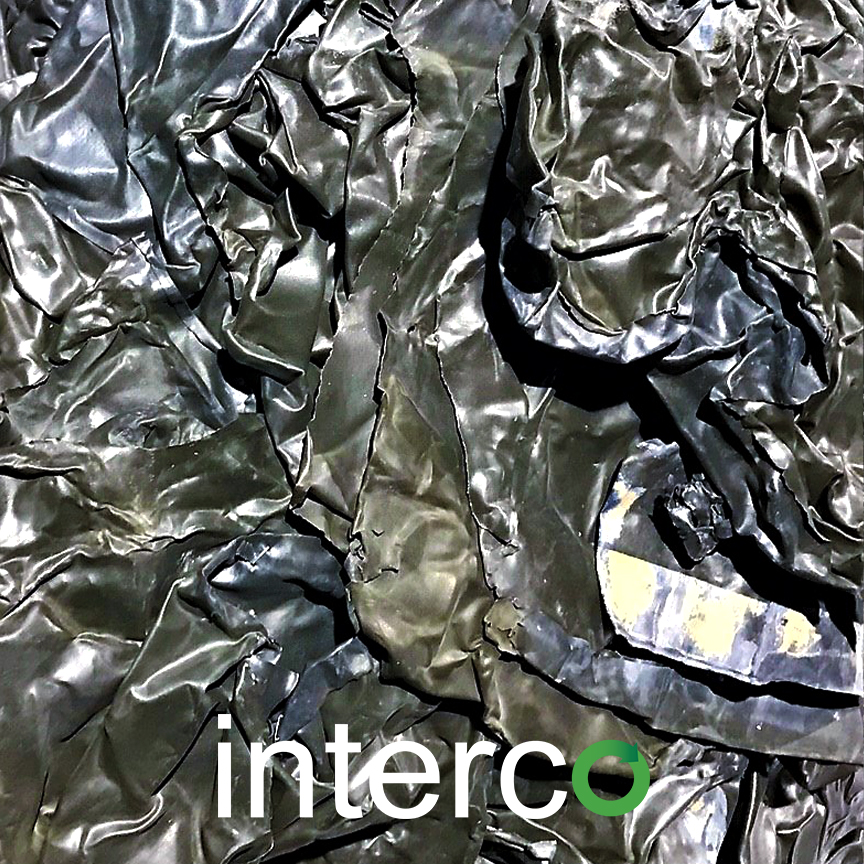
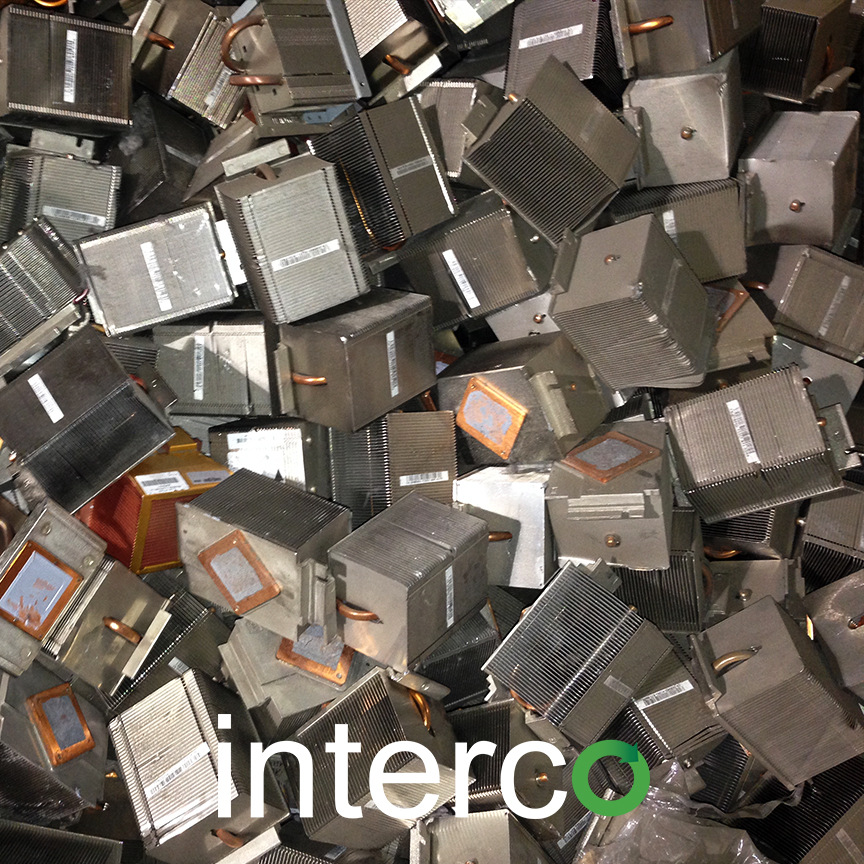
Many complex alloy streams originate from manufacturing, aerospace, automotive, energy, defense, and industrial operations. These materials often include specialty aluminum alloys, copper alloys, high-temperature alloys, mixed stainless grades, and other compositions that simpler recyclers struggle to classify or place. Interco teams bring the experience and infrastructure required to handle these materials consistently, even when chemistry varies from load to load.
Processing Disciplines Applied to Complex Alloys
- Manual dismantling to separate assemblies and remove incompatible attachments.
- Selective segregation to isolate alloy streams based on chemistry and form.
- Controlled preparation steps designed to meet precise downstream specifications.
- Workflow differentiation based on technical characteristics rather than convenience.
- Preparation methods aligned with smelter, refiner, mill, and ingot producer requirements.
Managing Mixed Loads and Supplier Flexibility
Interco frequently purchases complex alloys as part of broader, mixed inbound shipments. These loads may include nonferrous metals, electronics scrap, batteries, and alloy material in the same delivery. Because the operating environment was built to manage hundreds of distinct material types, the approach at Interco allows each component to be evaluated and processed independently. Suppliers are not required to segregate complex alloys into artificial categories before shipment, and they do not lose value by mixing material streams.
This capability provides a meaningful advantage to suppliers and scrap dealers. A single load can contain multiple alloy grades alongside nonferrous metals and still be processed accurately and settled fairly. Complex alloys are not discounted due to inconvenience, and nonferrous material is not penalized by association. Each material is priced and placed based on its true characteristics, allowing suppliers to maximize recovery without operational friction.
Downstream Placement, Logistics, and Accountability
Downstream placement is a critical component of complex alloy recycling. Alloy chemistry and form determine which consumers can accept the material and how it will be used. Interco maintains relationships with smelters, refiners, mills, and specialty consumers across domestic and international markets. This network allows alloy streams to be matched with the consumers who value them most, improving pricing stability and reducing placement risk.
The Interco logistics department supports this process by coordinating inbound purchases and outbound placements in alignment with processing schedules and downstream requirements. Complex alloy material often moves in non-standard quantities or formats, requiring careful planning and execution. Coordinated logistics ensure that material flows efficiently from supplier to processing to final consumer without unnecessary delays or handling.
Technology plays a supporting role in managing complexity at scale. The proprietary ERP platform captures inbound weights, alloy classifications, processing stages, and settlement data in real time. This system provides visibility across the lifecycle of each shipment and supports accurate documentation for suppliers, scrap dealers, and enterprise clients. When managing complex alloys, detailed tracking is essential to maintaining pricing integrity and compliance.
Operational Systems Supporting Complex Alloy Recycling
- Coordinated logistics aligned with processing schedules and downstream acceptance requirements.
- Real-time ERP tracking of alloy classifications, processing stages, and settlement data.
- Documented chain-of-custody supporting compliance and audit requirements.
- Accountable downstream placement with qualified smelters, refiners, mills, and specialty consumers.
- Market-aware commercial alignment that supports stable pricing and efficient placement.
Environmental responsibility is embedded throughout the complex alloy recycling operation. Many of these alloys contain high embodied energy and critical materials. Responsible recycling reduces reliance on primary production and supports more efficient use of resources. Interco ensures that complex alloys are processed and placed with qualified downstream partners who meet environmental and operational standards, aligning recycling activity with sustainability objectives.
For organizations operating under regulatory oversight or internal governance requirements, the approach at Interco provides confidence. Complex alloy recycling programs are managed within a structured, auditable framework that includes documented chain-of-custody, controlled processing, and accountable downstream placement. This structure reduces risk and simplifies oversight for enterprise and institutional partners.
Complex alloy scrap often intersects with electronics and battery material, particularly in industrial and manufacturing environments. Interco ability to manage these intersections is a direct result of how the business was built. Systems designed to handle electronics complexity translate naturally to alloy variability, allowing mixed material streams to be processed without loss of control or value.
Commercial stability is another differentiator. The commercial team aligns processing decisions with global market conditions and downstream demand, ensuring that alloy streams are placed efficiently even as market dynamics shift. This market intelligence supports more predictable outcomes for suppliers and reduces exposure to volatility.
Recycling complex alloys at scale requires experience, discipline, and infrastructure designed for variation. Interco has built its operations around those realities, enabling the company to handle materials that many recyclers avoid. By combining structured evaluation, controlled processing, integrated logistics, and global placement capability,
Interco transforms complex alloy scrap into reliable industrial feedstock. For suppliers seeking a partner capable of managing complex alloy scrap without compromise, Interco provides a proven and scalable solution. The company accepts complexity, processes it with precision, and delivers consistent results across diverse material streams. That capability allows organizations to move difficult alloys efficiently, capture full value, and maintain confidence that material is handled correctly from intake through final placement.