Recycling Brass Scrap
Brass Trading and Processing with Alloy Discipline
Interco trades, processes, and recycles scrap brass as a core part of its metals business, applying the same commercial rigor and execution standards used across its broader nonferrous operations. The company buys brass in straight loads and mixed loads and maintains control through processing so alloy identity and commercial intent remain aligned. Execution focuses on accuracy and value preservation rather than simplifying material handling.
Brass recovery at Interco is built around disciplined separation, controlled processing, and transparent settlement. Material is not collapsed into generic categories to simplify execution. Instead, the operation is structured to manage variation while preserving the value inherent in distinct brass alloys and forms.
Intake Evaluation and Physical Form Considerations
Brass arrives at Interco in many physical configurations and preparation levels, including solids, turnings, clippings, and assembled or attached material. Differences in form and condition influence handling decisions, while alloy composition governs separation. Clean material and material requiring preparation are handled within the same system, with attachments and residue addressed through processing rather than category drift.
Core Elements of Brass Intake and Evaluation
- Identification of brass alloy composition to ensure correct downstream handling and valuation.
- Assessment of physical form, including solids, turnings, clippings, and assembled material.
- Evaluation of preparation requirements related to attachments, residue, or contamination.
- Routing of material into appropriate processing workflows without altering alloy classification.
- Preservation of grade integrity from intake through settlement regardless of condition.
This intake discipline establishes clarity from the start, allowing brass to move through the system without unintended blending or loss of identity.
Alloy-Based Separation and Grade Preservation
Red brass remains separated from yellow brass and mixed material throughout processing so higher-copper content does not get diluted. Solids and turnings stay identifiable so the grade purchased remains the grade handled. This control prevents higher-value red brass from being absorbed into lower-value material during execution.
Yellow brass is handled as its own category across solids, turnings, and clippings. Clean yellow brass retains its classification, while yellow brass with attachments or residue is handled based on condition. Yellow brass does not combine with red brass or specialty alloys during processing, maintaining clarity between grades.
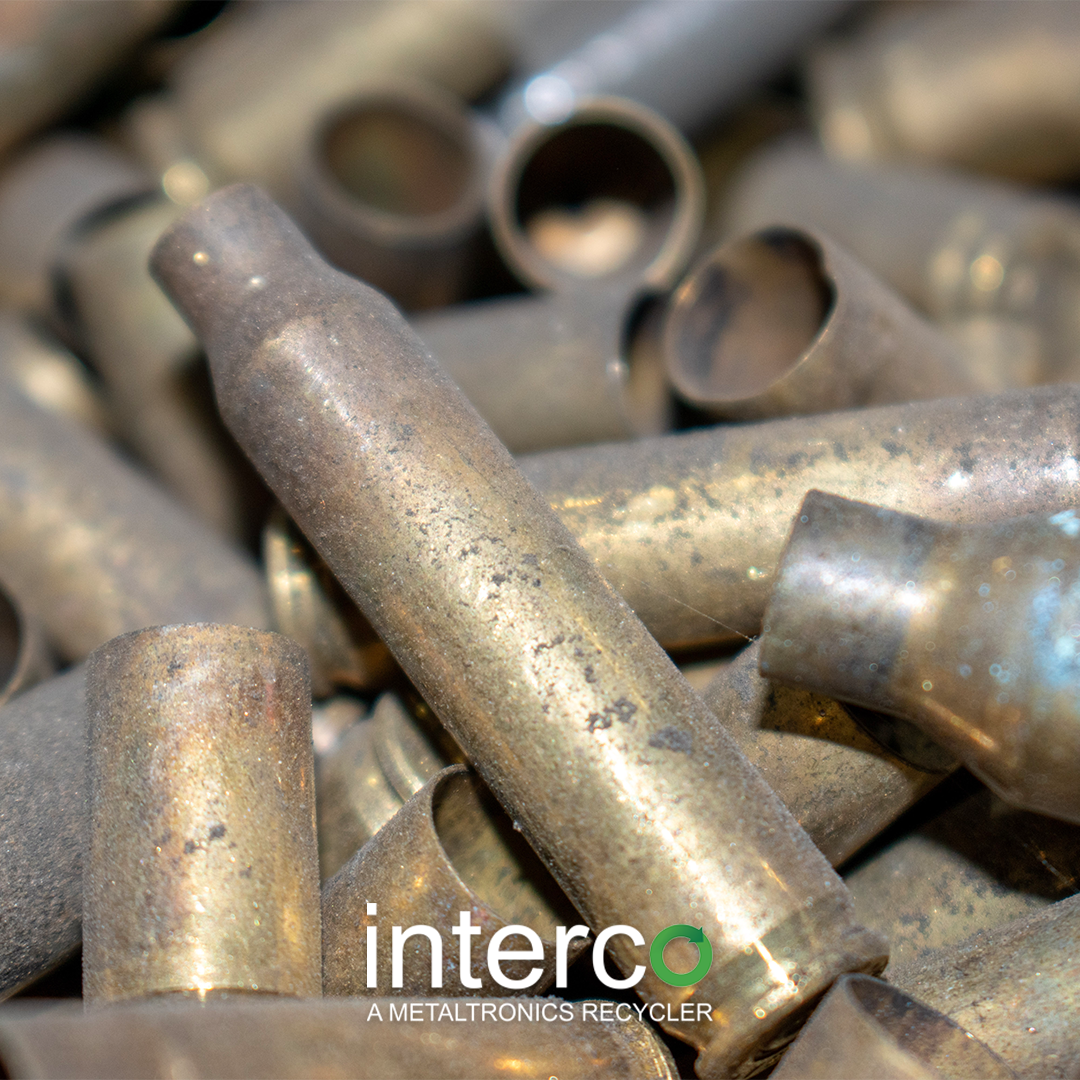
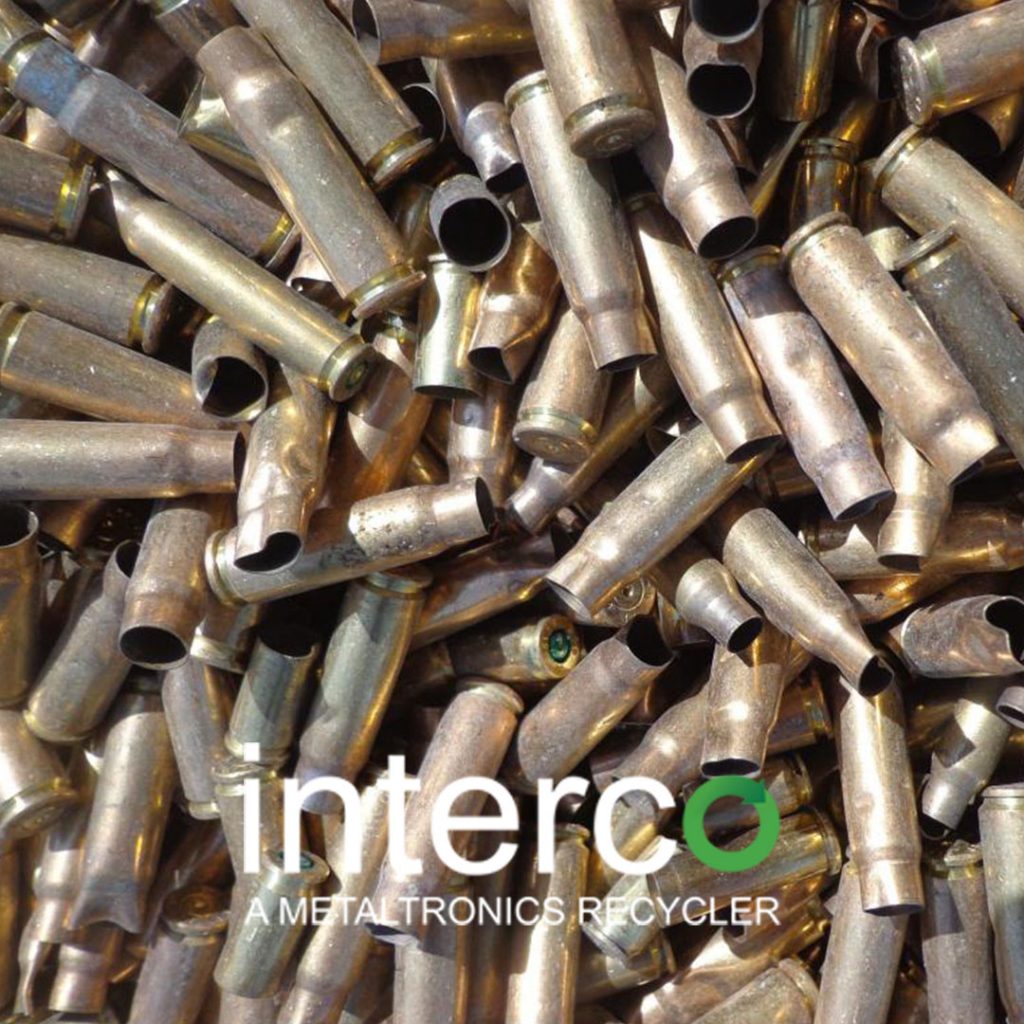
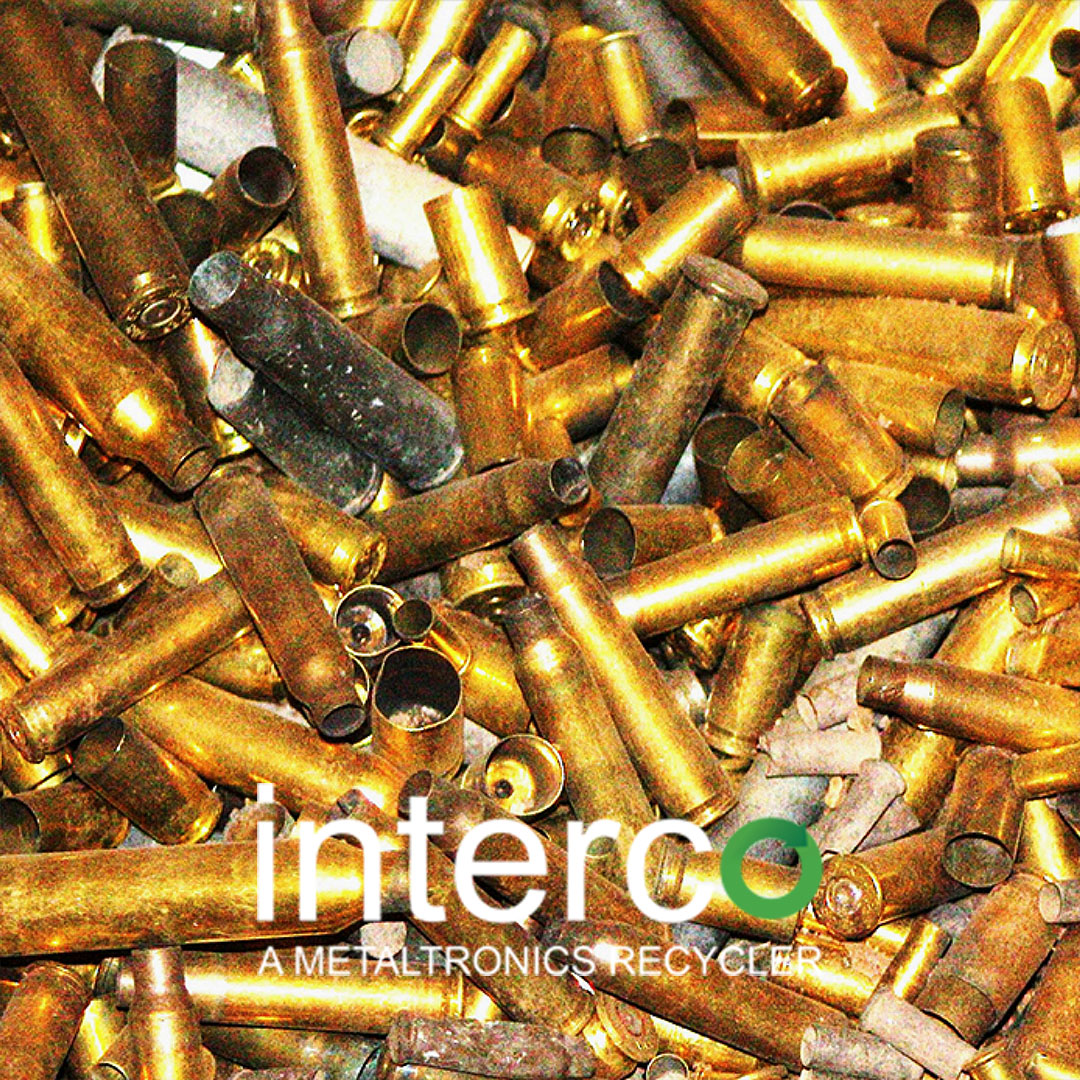
Specialty brasses require correct identification to protect value. Cartridge brass, naval brass, and admiralty brass contain alloying elements that materially affect use and pricing. These alloys are recognized and handled separately rather than being absorbed into general yellow brass. Hard brass solids, including valves, fittings, cast parts, and machined components, remain grouped as hard brass, with attachments influencing preparation steps but not alloy classification.
Brass Alloy Categories Managed Independently
- Red brass maintained separately to preserve higher copper content and pricing integrity.
- Yellow brass processed as its own category across solids, turnings, and clippings.
- Specialty brasses such as cartridge, naval, and admiralty brass identified and isolated.
- Hard brass solids grouped consistently regardless of attachments or surface condition.
- Alloy separation driven by composition rather than convenience or load makeup.
Assemblies, Turnings, and Mixed Brass Loads
Logistics, Data Visibility, and Integrated Execution
Execution at this scale depends on coordination across movement, processing, and data. The Interco logistics department supports brass movement across truckload, less-than-truckload, rail, and containerized freight, aligning transportation with processing capacity and material flow.
Data visibility reinforces that execution. The proprietary ERP platform tracks brass classifications, weights, processing steps, and settlement in real time. When multiple brass streams exist within a single shipment, each remains visible through processing and settlement, maintaining clarity between what was purchased, how it was handled, and how it settled.
Brass recovery integrates with other Interco operations. Assemblies and mixed nonferrous material containing brass undergo controlled separation rather than being lost in mixed handling, preserving value while maintaining consistency across material flows.
Operational Systems Supporting Brass Recycling
- Logistics coordination aligned with processing capacity and material flow.
- Real-time ERP tracking of brass classifications, weights, and processing steps.
- Visibility of multiple brass streams within a single shipment through settlement.
- Controlled separation of brass from assemblies and mixed nonferrous material.
- Execution standards that preserve alloy identity from intake through final settlement.
For counterparties placing brass in solid form, as turnings or clippings, clean or requiring preparation, shipped straight or mixed, Interco provides a brass trading and processing operation defined by control, accuracy, and the ability to manage load-level complexity without compromise