Recycling Scrap Metallic Powders & Dust
The Complexity of Metallic Powders and Dust in Recycling
Metallic powders and dust represent some of the most challenging material streams in metals recycling. Their fine particulate nature, tendency to trap contaminants, variable composition, and handling risks require disciplined intake, controlled processing, and precise placement with qualified downstream partners. Interco buys and processes significant volumes of scrap metallic powders and dust, converting them into smelter-ready or refinery-ready feeds that meet strict industrial specifications. This capability supports enterprise, industrial, and dealer partners who depend on reliable recycling solutions for material that many operations find difficult or uneconomical to manage.
Interco purchases approximately 12,000 to 15,000 metric tons of scrap each month across all material categories, with metal powders and dust comprising a meaningful component of that inbound volume. This scale reinforces the company ability to absorb variation, manage complexity, and deliver consistent results that align with market expectations. Suppliers benefit from transparent evaluation, disciplined handling, and a placement network capable of taking metallic powders and dust through certified downstream channels.
Industrial Sources and Material Characteristics
Metallic powders and dust arise from a wide range of industrial activities, including machining, grinding, additive manufacturing support processes, foundry operations, aerospace fabrication, automotive production, and energy-related manufacturing. Fine particulate material may contain high-value base and precious metals, alloys, and trace elements that carry economic worth if recovered properly. At the same time, these materials can pose safety, environmental, and handling challenges if not managed with technical precision. Interco approach integrates rigorous evaluation with controlled processing so that value is captured without exposing suppliers to unnecessary risk.
Disciplined Intake, Evaluation, and Safety Controls
The first step in managing metallic powders and dust is disciplined intake and evaluation. Incoming material is reviewed to determine composition, recoverable metal content, contaminant profile, and downstream placement requirements. This evaluation informs the selection of the most effective preparation pathway, whether it involves agglomeration, densification, separation, or direct shipment to qualified downstream consumers. Early identification of material characteristics protects value and prevents costly misplacement of complex particulate streams.
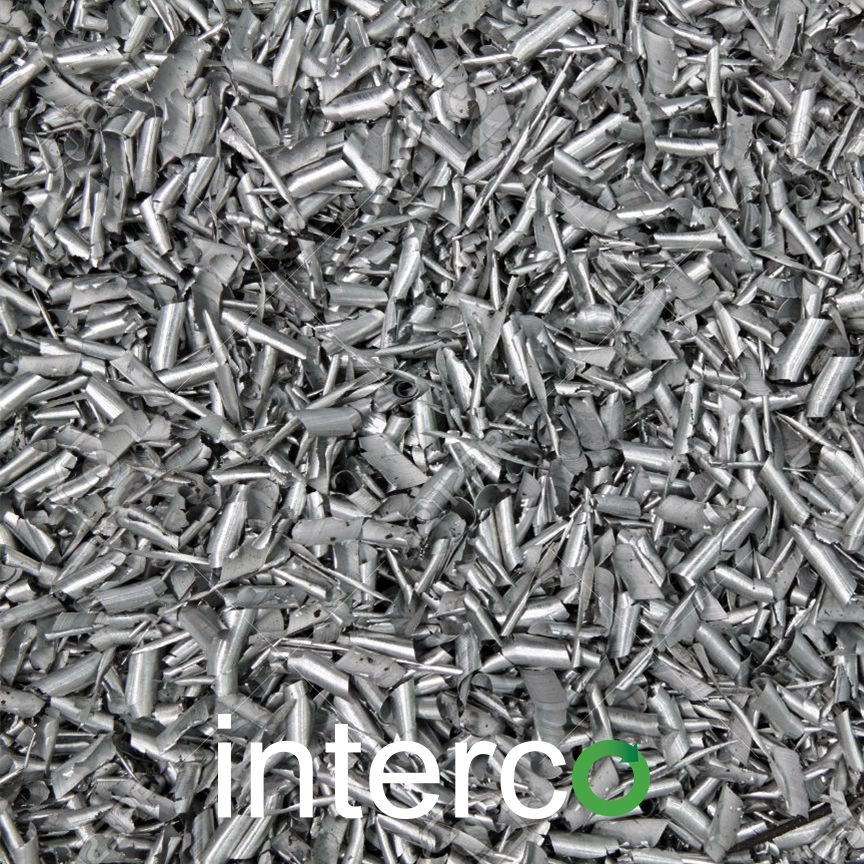
Core Elements of Metallic Powder and Dust Intake Evaluation
- Determination of metal composition and recoverable value contained within fine particulate material.
- Assessment of contaminant profiles that may affect downstream acceptance or processing safety.
- Identification of downstream placement requirements, including density and moisture thresholds.
- Selection of appropriate preparation pathways based on material behavior and specifications.
- Early classification to prevent misrouting, contamination, or rejection by qualified consumers.
Safety and environmental controls are integral to handling metallic powders and dust. Fine particles can present dust-explosion risks, respiratory hazards, and regulatory obligations related to air emissions and waste handling. Interco protocols prioritize safe handling, including segregation of reactive streams, controlled air handling, and appropriate personal protective equipment for processing personnel. These precautions are part of a comprehensive framework designed to protect workers, facilities, and the environment while preparing material for industrial reuse.
Controlled Processing and Conversion to Industrial Feedstock
Processing metallic powders and dust requires specialized workflows. Unlike bulk solid scrap, particulate material can behave unpredictably in mechanical equipment and can carry higher levels of surface contaminants. Interco teams apply techniques such as controlled densification, briquetting, agglomeration, magnetic separation, and chemical preparation steps where appropriate to stabilize the material and reduce the potential for loss during shipping and reprocessing. Each workflow is tailored to the specific characteristics of the material, reflecting the reality that no two metallic powder streams are identical.
Processing Techniques Applied to Metallic Powders and Dust
- Controlled densification and briquetting to improve handling and downstream furnace compatibility.
- Agglomeration processes designed to stabilize fine particles and reduce material loss.
- Magnetic separation and selective treatment to isolate valuable metal content.
- Chemical preparation steps where necessary to meet downstream specifications.
- Workflow customization based on particle size, chemistry, and contaminant profile.
One of the most valuable outcomes of disciplined processing is the ability to convert difficult powders into smelter-ready or refinery-ready packages. Downstream consumers often require specific density, moisture content, contaminant limits, and particle size distribution to accept metallic powders and dust directly into their furnaces or furnaces pre-mix systems. Interco prepares material to meet these specifications, reducing friction for consumers and increasing recoveries for suppliers.
Downstream Placement, Logistics, and Traceability
The placement network is essential for powders and dust. Not all downstream consumers are equipped to handle fine particulate streams, and many require pre-qualification based on capacity, environmental controls, and processing capability. Interco maintains relationships with smelters, refiners, and specialty processors that are capable of accepting metallic powders and dust under controlled specifications. These placement channels provide flexibility for suppliers and ensure that material is processed within appropriate environmental and technical frameworks.
Nonferrous metals, alloys, and critical materials often appear within metallic powders and dust streams. These may include aluminum alloys, copper and brass residual powders, stainless and specialty alloy fines, nickel-bearing dusts, and other complex particulate streams. In many cases, powders and dust accompany other scrap material in a mixed load. Interco intake protocols allow material to be evaluated holistically and routed into the appropriate processing workflow while preserving value for all components. Documentation and traceability are priorities when handling metallic powders and dust.
The proprietary enterprise resource planning platform at Interco captures inbound classification, weights, processing stages, and settlement data in real time. This visibility supports audit trails for environmental compliance, internal governance reporting, and commercial reconciliation. Suppliers receive detailed reporting that aligns with regulatory requirements and internal oversight, reducing administrative burden and increasing confidence in the recycling process.
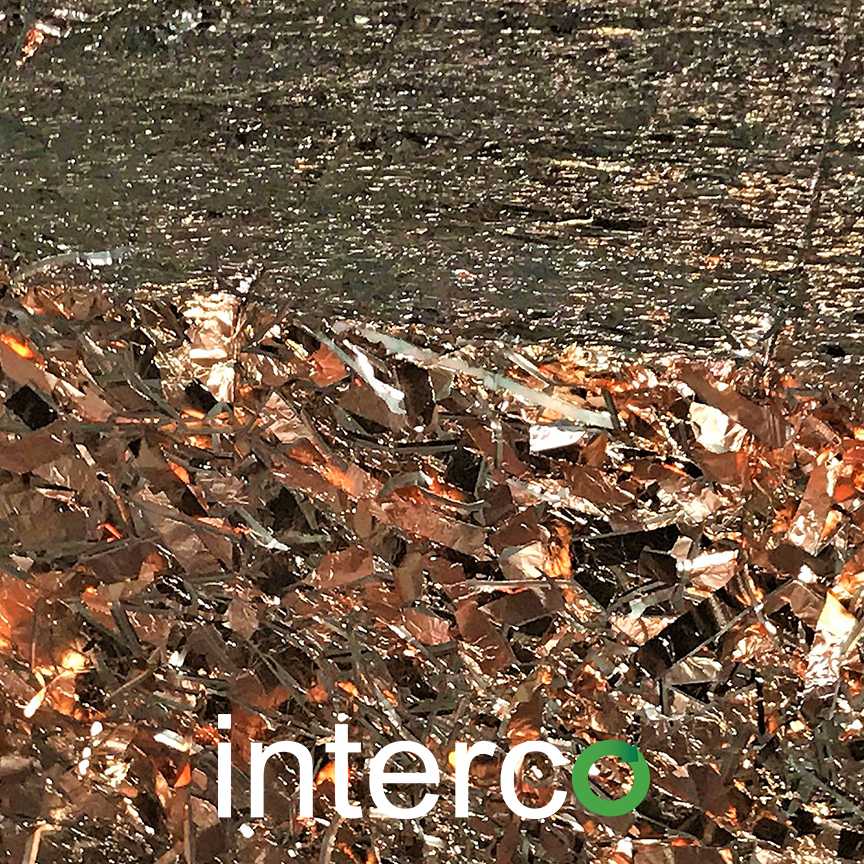
Interco logistics capabilities further support the handling of fine particulate streams. Materials that present handling challenges require specialized packaging, weight control, and transportation planning to comply with safety and regulatory requirements. The Interco logistics department coordinates these movements efficiently and in alignment with downstream consumer readiness, reducing delays and ensuring that material reaches the appropriate processing facility under controlled conditions.
Operational Systems Supporting Powder and Dust Recycling
- Real-time ERPtracking ofclassifications, processing stages, and settlement data.
- Coordinatedlogisticsplanning for specialized packaging and compliant transportation.
- Certified downstream placement with qualified smelters, refiners, and specialty processors.
- Documented chain-of-custody supporting audits and environmental compliance.
- Commercial alignment with global demand for particulate material streams.
Environmental responsibility is a central theme in metallic powders and dust recycling.These material streams often contain high embodied energy and represent an opportunity to conserve resources through responsible reuse. By converting powders and dust into industrial inputs, Interco helps reduce reliance on primary metal production, conserve energy, and support circular material flows. This aligns with sustainability and ESG objectives for suppliers who must demonstrate measurable environmental outcomes as part of their reporting and compliance frameworks.
Handling metallic powders and dust also intersects with other complex industrial streams that require disciplined management. Electronics scrap, batteries, and complex alloys often generate fine particulate byproducts in their processing. Interco intake systems are designed to recognize and route these materials appropriately, ensuring that each component stream is processed in a way that protects value and mitigates risk. This integrated approach distinguishes Interco from operations that treat powders as an afterthought or combine streams without adequate classification.
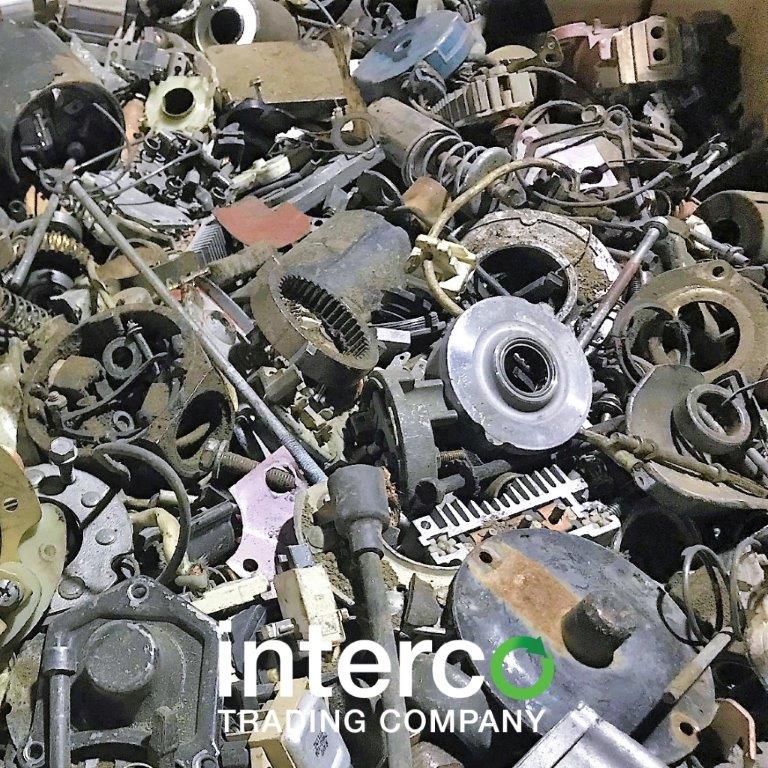
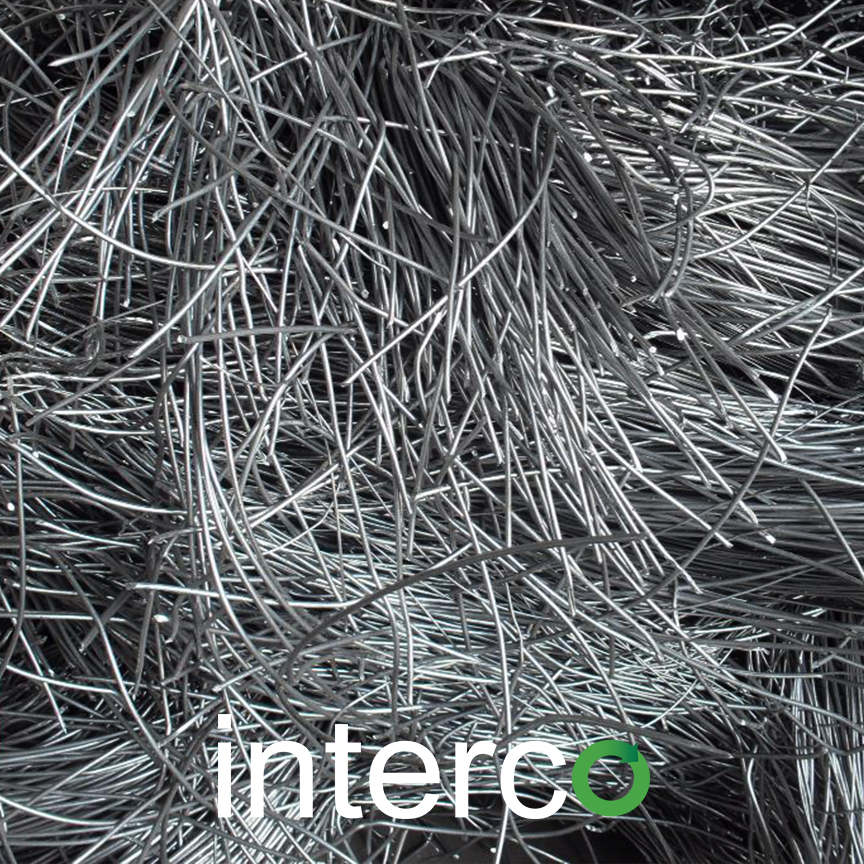
For industrial partners, the structured framework at Interco provides assurance that metallic powders and dust will be handled with the same operational rigor applied to other complex materials. Chain-of-custody procedures, controlled processing protocols, certified downstream placement, and transparent settlement documentation create an auditable recycling pathway. This level of control is essential for organizations operating under environmental regulations, internal governance standards, or corporate sustainability commitments.
Commercially, metallic powders and dust require market insight to align material with appropriate downstream demand. The Interco commercial team monitors global requirements for particulate streams, adjusting placement strategies in response to market conditions. This reduces risk for suppliers and ensures that recovered material is placed at competitive pricing levels that reflect current downstream demand.
At scale, the combination of disciplined intake, controlled processing, documented traceability, and qualified placement channels positions Interco as a partner capable of handling metallic powders and dust where others cannot. Suppliers benefit from a solution that manages complexity without compromising value or compliance.
For organizations seeking a recycling partner that can manage metallic powders and dust with precision and accountability, Interco provides a proven and scalable framework. By applying technical rigor, operational discipline, integrated logistics, and transparent reporting, Interco enables suppliers to convert challenging material streams into usable industrial inputs while maintaining compliance and capturing full recovery value.